
Rodenticides and Wildlife
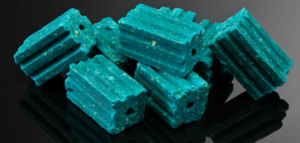
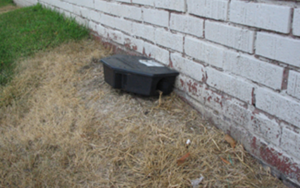
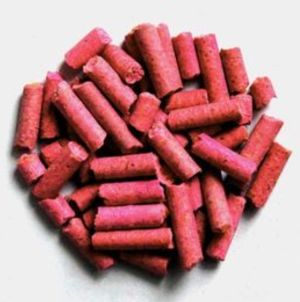
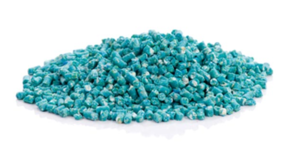
Rodenticides is a general term for any rat or rodent poison. They come in many forms - pellets, granules, blocks and others. Sometimes it is housed in bait boxes and sometimes it is scattered. Different kinds of rodent poisons are harmful in different ways but ALL rodenticides are harmful to pets and wildlife. Rodents do not die instantly after ingesting poison contained inside bait boxes, but usually die days to weeks after the first ingestion instead. They become lethargic and are easy prey items for predators. Raptors and other wildlife provide free, natural and abundant rodent control! If you use any type of rodenticide- you will cause secondary poisoning (often lethal) to wildlife and/or domestic animals and pets...
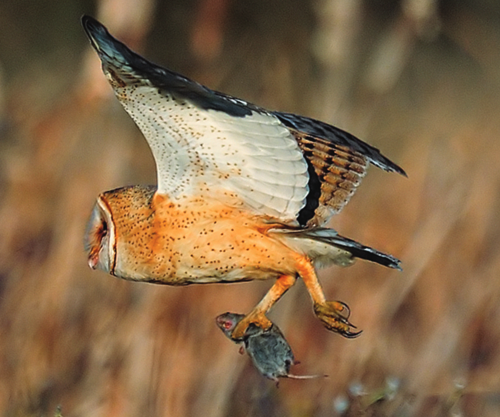
By helping raptors thrive you will help to keep the predator-prey balance in our ecosystems in check. *A Barn Owl will eat 4-6 voles or vole sized rodents a night. A pair of nesting Barn Owls feeding a family of 6 will consume almost 40 rodents per night...one poisoned rodent can kill an entire family of owls.
The best rodent control in encouraging natural predation and using exclusion methods to secure your home or business.

Types of Rodenticides
Click to enlarge
1st and 2nd generation rodenticides are anticoagulants.
2nd generation rodenticides (SGARs) are stronger and work faster than 1st generation rodenticides which can take 1-2 weeks to kill an animal, once ingested.
Toxicant rodenticides like bromethalin have no antidote.
Wildlife and pets poisoned by toxicant rodenticides have extremely high mortality rates.

How Wildlife and Pets Are Affected
When large mammals ingest and accumulate rodenticides over time, it weakens their immune system and makes it difficult to fight off otherwise manageable conditions like mange. This can lead to severe hair loss, open sores, and, in many cases, death from the parasite itself.
For smaller wildlife and pets, ingestion is often directly fatal.
There is no truly “safe” rodenticide. Even products marketed as lower-risk or “safer” alternatives have been detected in wildlife. In fact, rodenticides have been found in every mountain lion tested in the Santa Monica Mountains — highlighting just how widespread environmental exposure has become.

Great Horned Owlet
Great Horned Owlet suffering from uncontrolled bleeding.

Pet Dog
Abdominal bleeding in a pet dog after ingesting rat poison.

Adult Coyote with Mange

Cougar with Mange
Griffith Park P-22 suffering from rodenticide-induced mange infestation.