Ways You Can Help Eliminate Rodenticides
Rodenticide restrictions are only effective when communities support and enforce them.
Contact your city council or county representatives to support stronger rodenticide regulations
Encourage your city, school district, or park system to adopt Integrated Pest Management (IPM) policies
Advocate for enforcement of existing restrictions on second-generation anticoagulant rodenticides
Support wildlife-friendly policies in HOAs and local governing boards
Why it matters: Policy change protects entire ecosystems — not just individual properties.

4. Engage Schools & Youth Programs
Many rodenticide users don’t realize the broader ecological impact.
Talk to property managers, farms, vineyards, and restaurants about switching to wildlife-safe pest control
Encourage garden centers and hardware stores to stop selling harmful rodenticides
Share information about Integrated Pest Management (IPM) and exclusion-based strategies
Promote rodenticide-free certifications or signage
Write to businesses in your community.
A thoughtful, respectful letter can be a powerful way to raise awareness and encourage change — especially when it includes clear, science-based information and practical alternatives.
Need help getting started?
Why it matters: A single property switching away from poison can protect countless predators across a wide area.
2. Advocate for Wildlife-Safe Policies
Work with Local Businesses
Rodenticide use affects entire communities — and meaningful change often starts locally.
Ask HOAs or landlords about pest control practices
Advocate for rodenticide-free policies in shared spaces
Organize neighborhood meetings or small community discussions
Host or invite a wildlife presentation for your group
Share resources with neighbors, property managers, and local organizations
Bring this conversation to your community.
Education is one of the most effective tools we have to reduce rodenticide use.
Our Raptors Are The Solution (RATS) program is available for schools, community groups, businesses, and agricultural professionals — both in person and virtually.

3. Take Action in Your Neighborhood
Education is one of the most powerful long-term solutions.
Encourage schools to include lessons on food webs, predators, and secondary poisoning
Connect teachers with real-world wildlife case studies
Support student-led environmental projects or eco-clubs
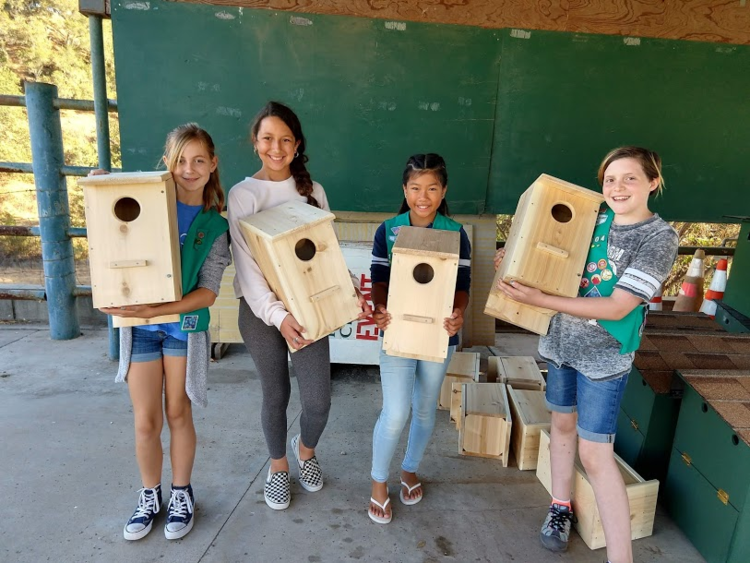
Bring wildlife professionals into the classroom
Ojai Raptor Center offers our Raptors Are The Solution (RATS) program, available both in-person and virtually, to connect students directly with the science and real-world impacts of rodenticides.
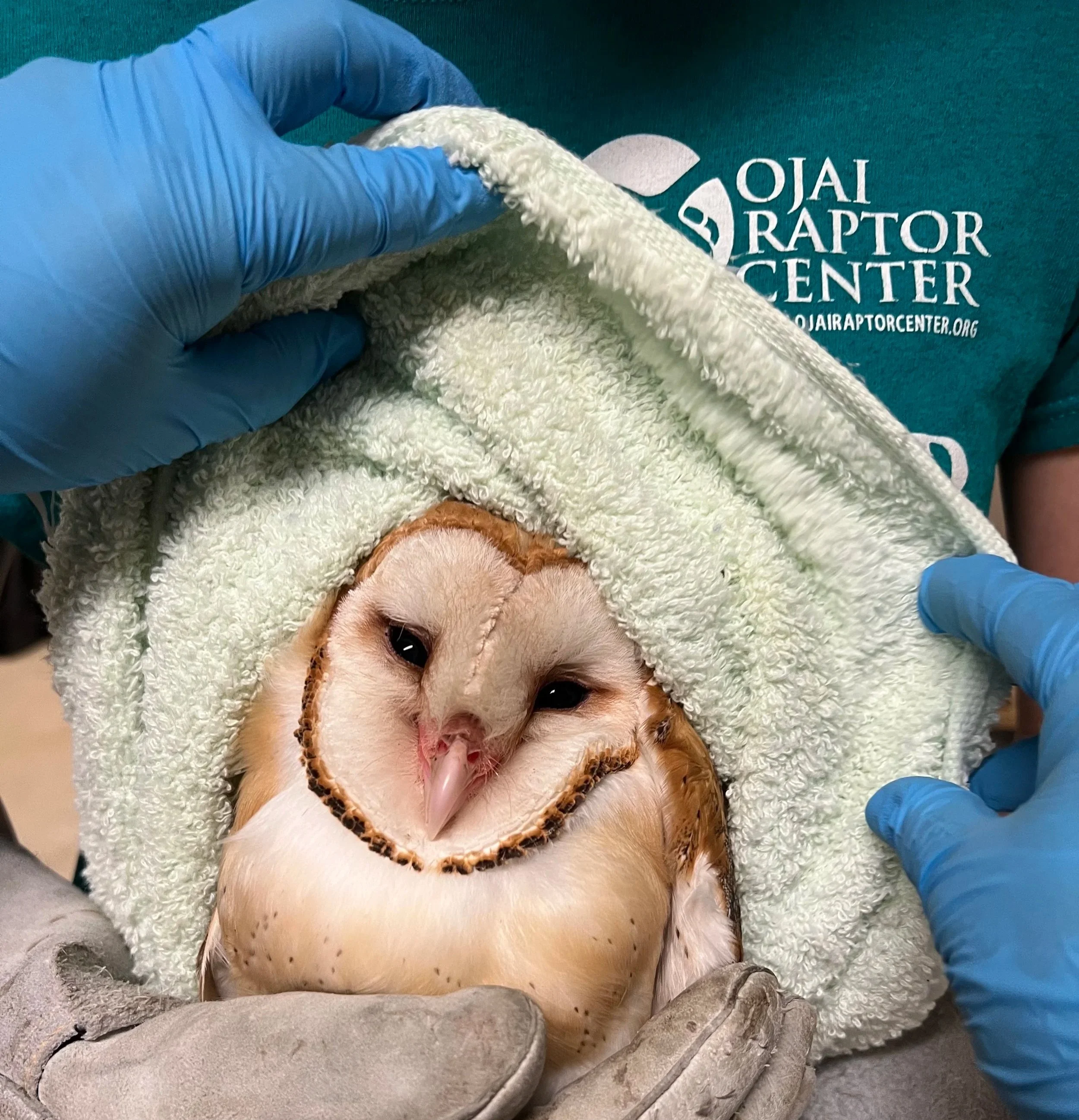
Wildlife rehab centers play a critical role in documenting rodenticide impacts.
Support organizations like Ojai Raptor Center that treat poisoned wildlife
Report sick or neurologically impaired wildlife to licensed rehabilitators
Volunteer or contribute to monitoring and conservation efforts
Advocate for funding for wildlife toxicology testing and research