
Adaptations in Action
At a Glance
Anchoring Phenomenon
How do the structures of birds reveal how they survive?
Students Investigate
Beak adaptations and feeding strategies
Foot adaptations for hunting, climbing, swimming, and fishing
Wing adaptations for soaring, speed, and silent flight
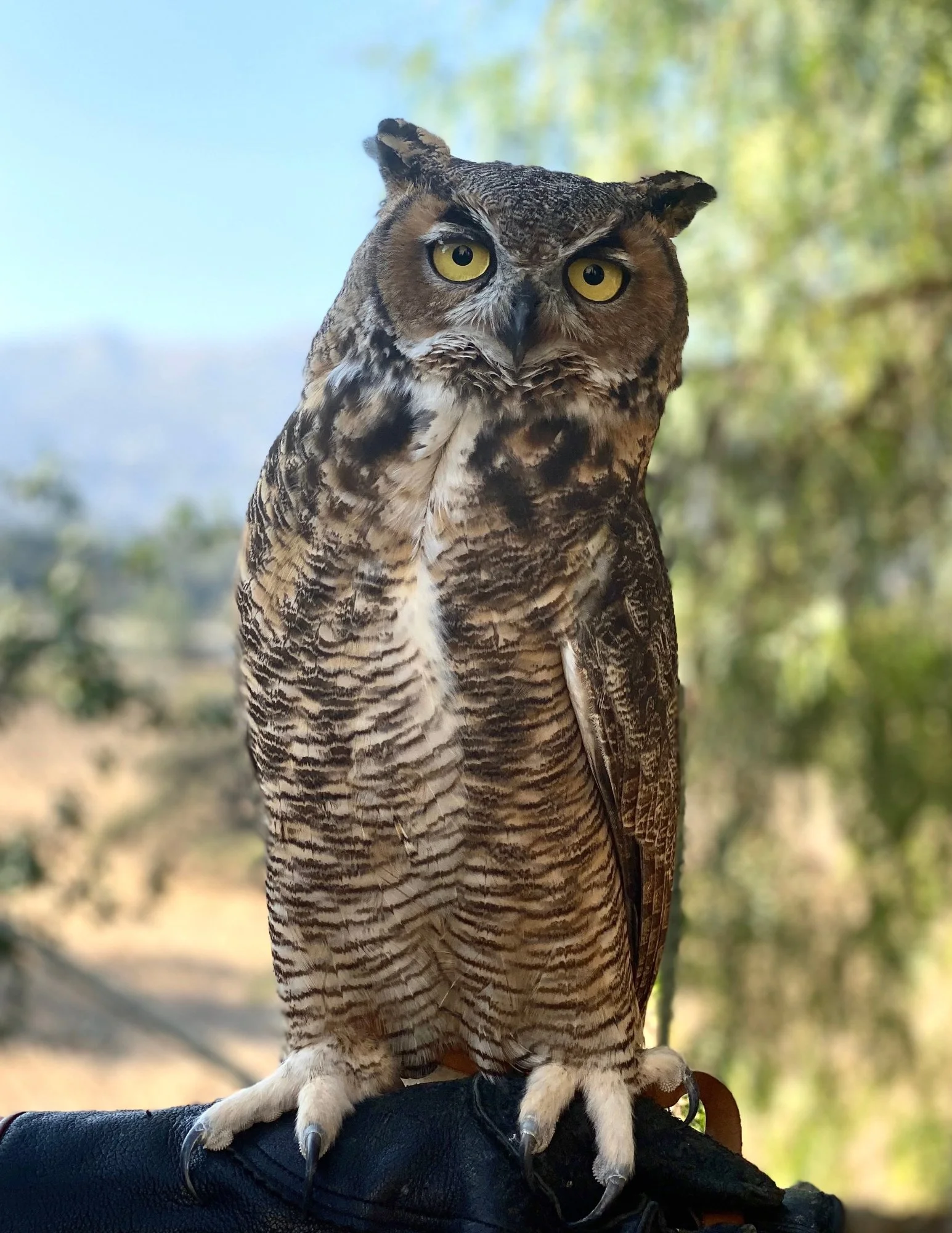
Sensory adaptations in owls and other raptors
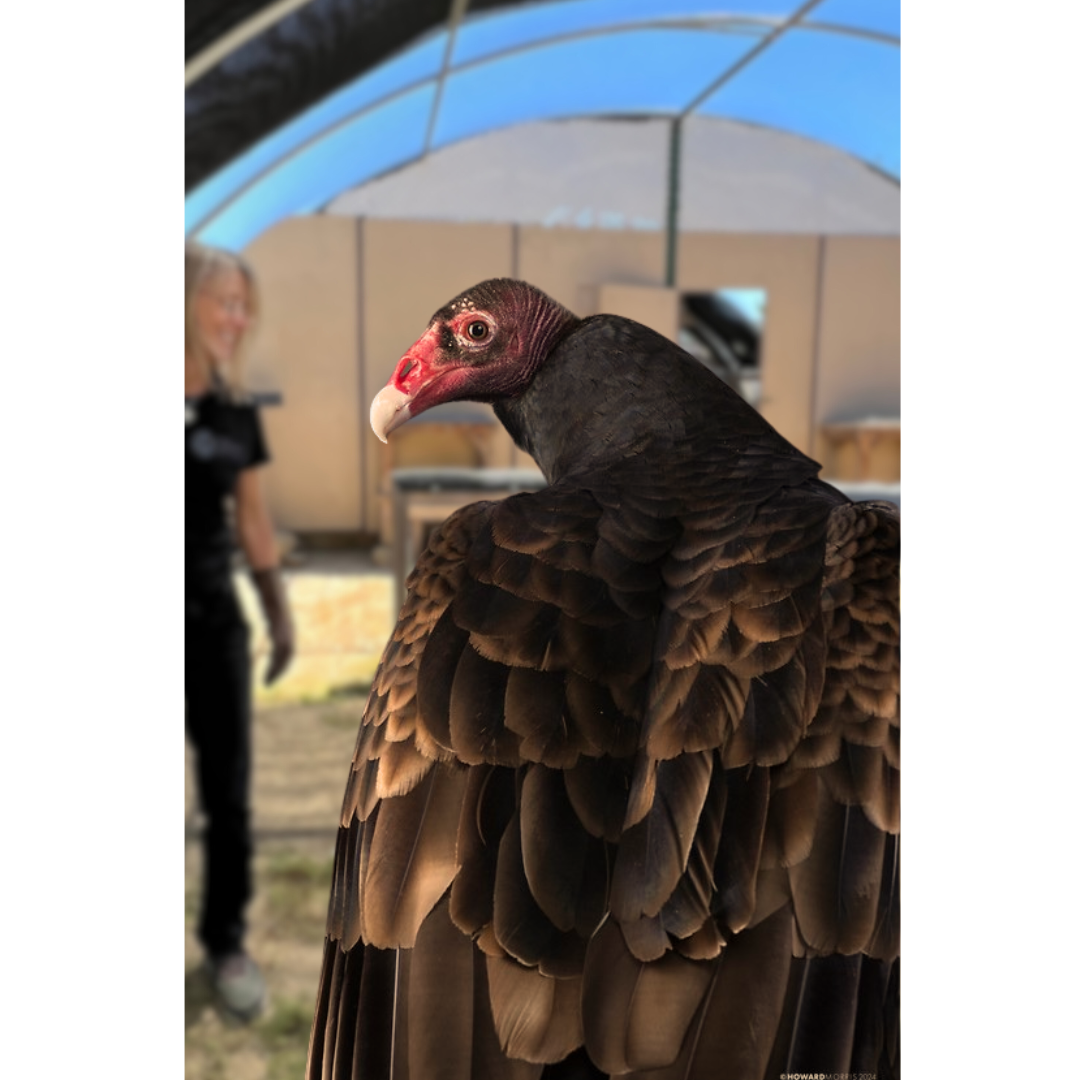
Predator vs. scavenger adaptations
Biomimicry in engineering and design
Conservation challenges facing California's birds of prey
Students Practice
Scientific observation
Pattern recognition
Comparing structures across species
Constructing evidence-based explanations
Claim–Evidence–Reasoning (CER)
Scientific discussion and questioning
Program Includes
Live ambassador raptor presentation
Hands-on investigation of authentic scientific specimens (biofacts)
Two educator-led learning experiences
Inquiry-based instruction
Student field worksheet and CER reflection
California NGSS-aligned science instruction
Adaptations in Action Field Trip
An Inquiry-Based Field Experience
Grades 4–8 | 75 Minutes
Driving Phenomenon
How do a bird's physical structures reveal how it survives?
Students investigate this question by examining authentic scientific specimens ("bio facts")
and observing live ambassador raptors to discover how specialized adaptations support survival
in the wild.
Program Overview
Adaptations in Action is a phenomenon-based, inquiry-driven science program that introduces students to
the remarkable diversity of California's birds of prey through hands-on investigation and authentic scientific
practices. Rather than simply learning facts about raptors, students act as scientists -making observations,
comparing structures across species, identifying patterns, and developing evidence-based explanations
for how adaptations influence feeding, movement, sensory perception, and survival.
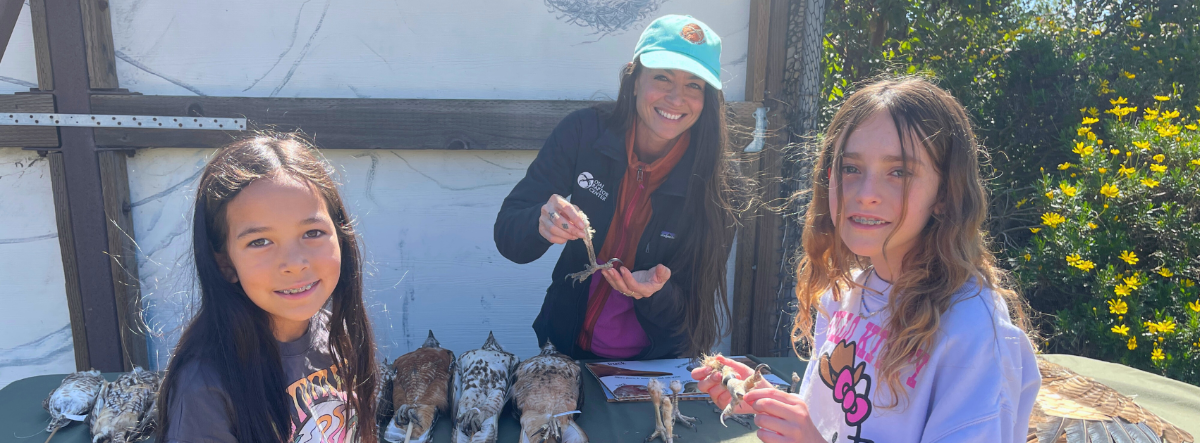
The experience begins with a hands-on investigation of authentic biofacts, including preserved wings, f
eet, skulls, study skins, and taxidermy mounts. Students use these specimens to predict how different birds
obtain food, move through their environments, and occupy unique ecological niches.
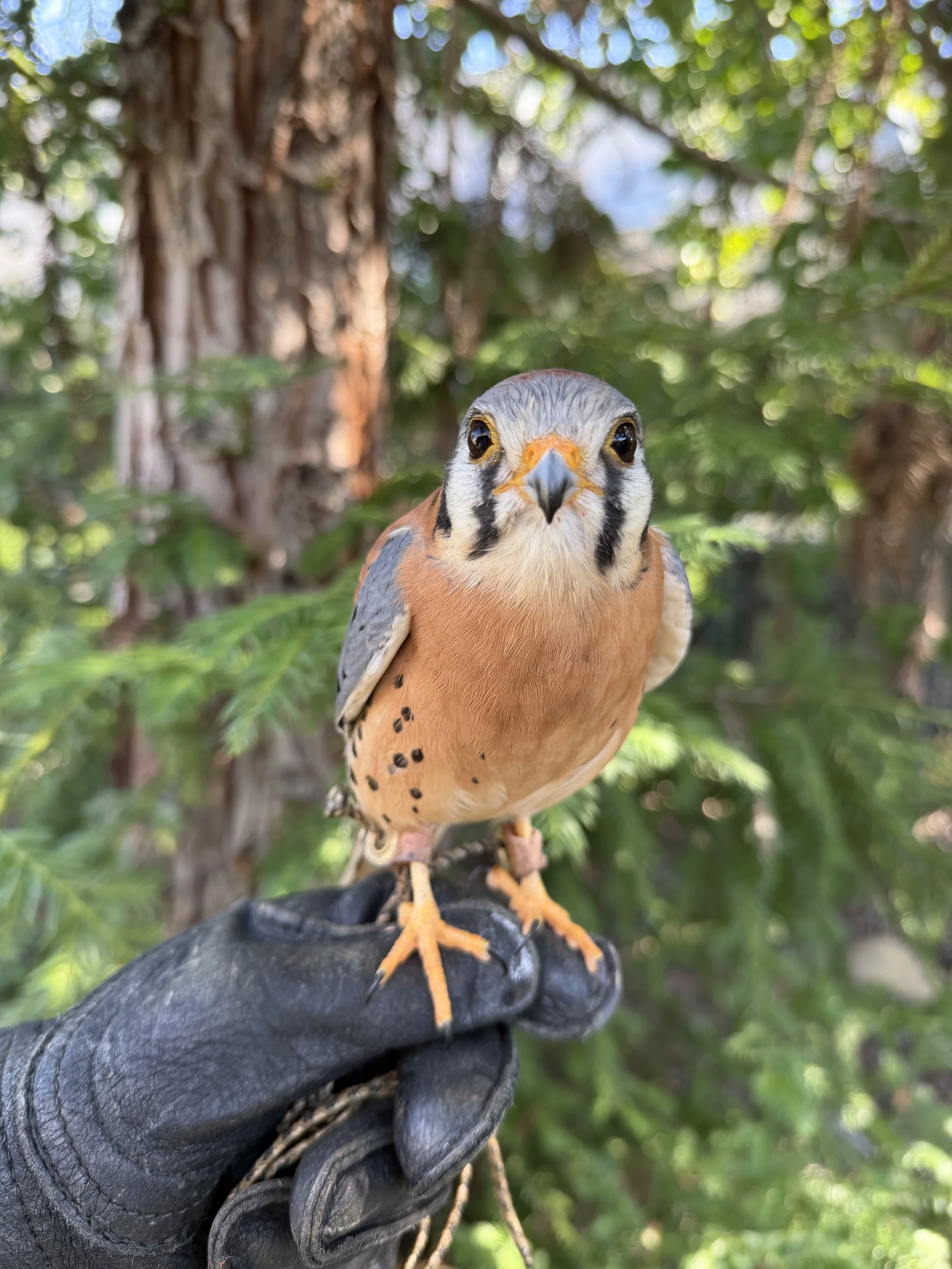
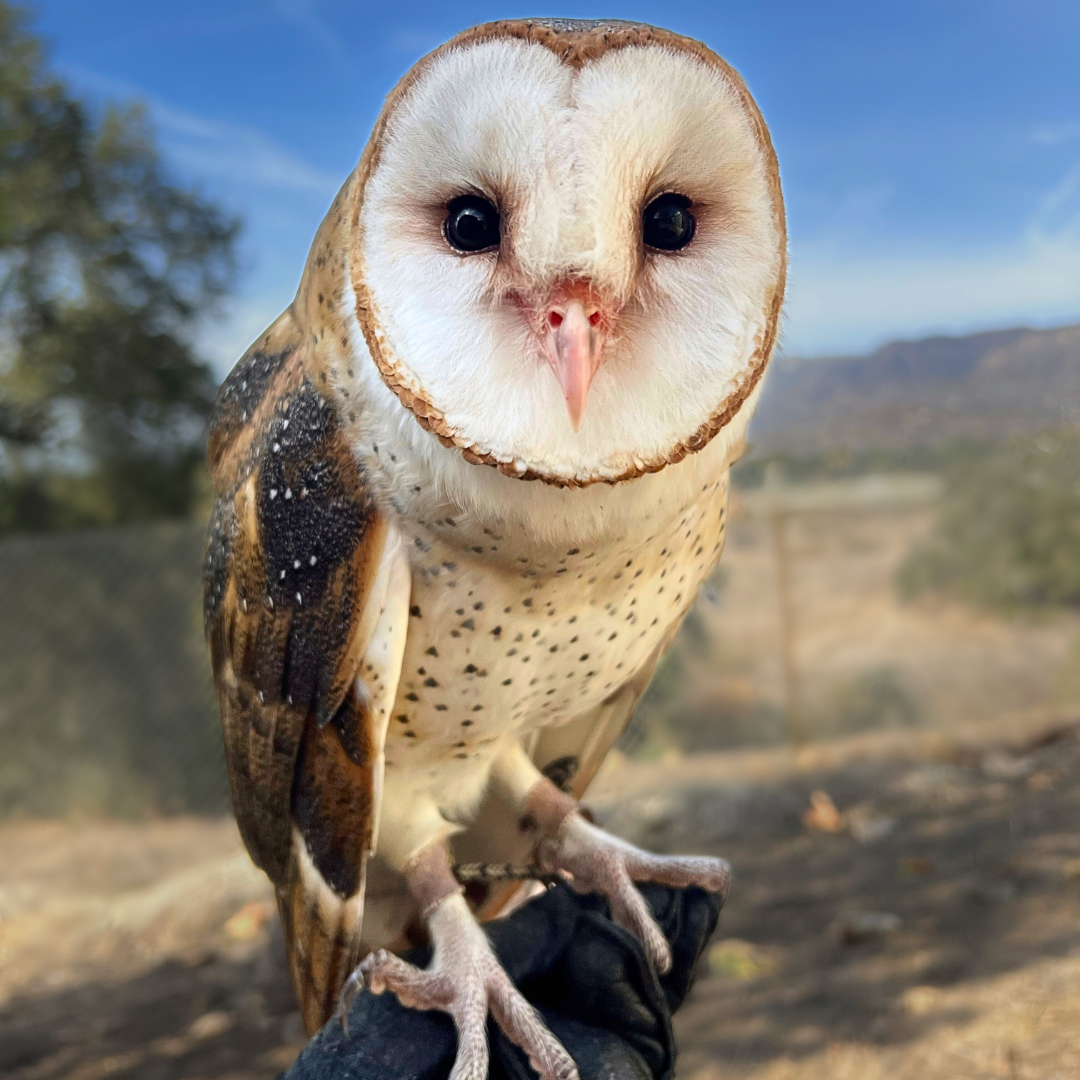
Students then observe these same adaptations in action during a live ambassador presentation featuring
ORC's non-releasable raptors. By connecting their observations from the biofacts investigation to the
behaviors of living birds, students deepen their understanding of the relationship between structure and
function while learning about wildlife rehabilitation and conservation.
The program concludes with student reflection through a Claim–Evidence–Reasoning (CER)
activity and discussion of how people can help protect California's native birds of prey.
Students Investigate
What makes a bird a raptor
How beak shape relates to feeding strategy
How foot structure reflects hunting, scavenging, climbing, swimming, and fishing behaviors
How wing shape influences soaring, speed, maneuverability, and silent flight
Specialized sensory adaptations in owls and other raptors
Predator-prey relationships and food webs
California's native raptor diversity and habitats
The role of wildlife rehabilitation in conservation
Human impacts on wildlife and actions that support healthy ecosystems
Scientific Practices
Throughout the program, students engage in authentic scientific inquiry by:
Making careful observations
Comparing structures across species
Identifying patterns
Asking questions
Constructing explanations from evidence
Connecting structure and function
Using scientific vocabulary
Applying learning through Claim–Evidence–Reasoning (CER)
Experience Includes
75-minute interactive science program
Two educator-led learning stations (Biofacts Investigation & Live Ambassador Presentation)
Live ambassador raptor presentation
Hands-on exploration of authentic scientific specimens (biofacts)
Inquiry-based investigations and guided discussion
Student field worksheet with observation and Claim-Evidence-Reasoning activities
Alignment with California NGSS for Life Science
Why this program?
Students leave with more than knowledge about raptors—they leave with a deeper understanding of how scientists use evidence to explain the natural world. By combining authentic specimens, live animal observations, and phenomenon-based instruction, Adaptations in Action fosters scientific thinking, ecological literacy, and a lasting appreciation for California's native wildlife.

NGSS ALIGNMENT SUMMARY
SEPs
Observing and describing structures
Asking questions from observations
Analyzing and interpreting observations
Constructing explanations from evidence
DCIs
LS1.A Structure & Function
LS1.D Information Processing
LS4.A Variation of Traits
LS4.C Adaptation
CCCs
Structure & Function
Patterns
Cause & Effect